
Growing pressure in the service business
Mechanical and plant engineering, the traditional heart of European industry, is at a strategic crossroads. The new machine business is characterized by increasingly intense competition and rising cost pressure, particularly from agile and price-aggressive suppliers from China. In this environment of traditional strengths, the high-margin areas beyond pure machine sales are becoming the decisive battleground for profitability and future viability. The after-sales business with services and spare parts is thus inexorably moving from the sidelines to the center of corporate strategy.
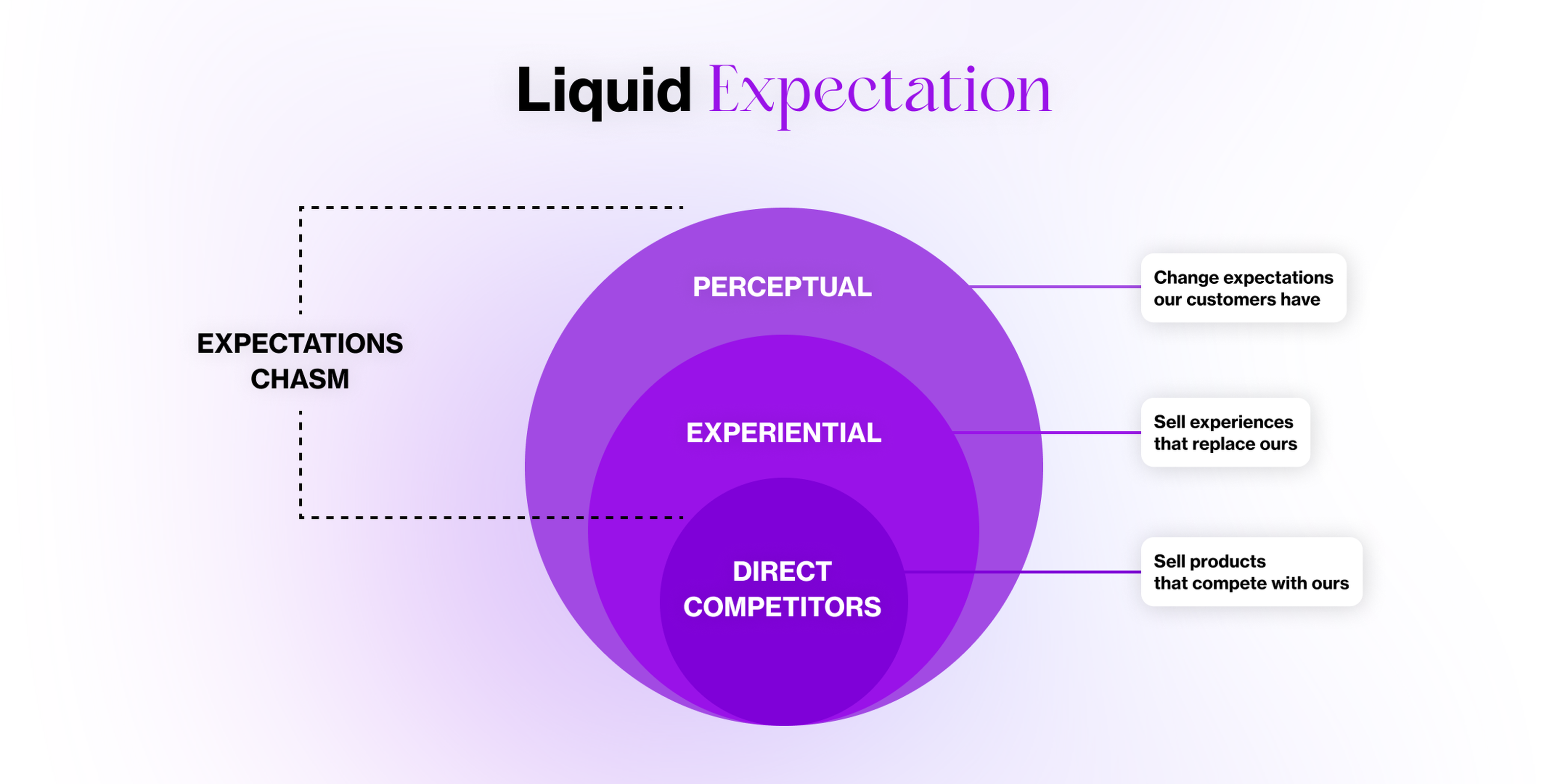
At the same time, a fundamental shift in customer expectations is taking place. B2B decision-makers no longer operate in an isolated business world; they transfer their digital and seamless experiences from their private lives directly to their professional interactions. This phenomenon, known as “liquid expectations”, means that an engineer who orders from Amazon with a single click and tracks the delivery in real time expects comparable simplicity and transparency when ordering a critical spare part for a multi-million-euro piece of equipment.
McKinsey's latest B2B Pulse Survey impressively underscores this change: Customers today use an average of ten different channels on their purchasing journey – from face-to-face meetings and video calls to digital self-service portals. Their preferences are evenly distributed across face-to-face, remote, and digital interactions, a dynamic described as the “Rule of Thirds.”
This new reality presents the hidden champions of mechanical engineering with a key challenge: How can they master the balancing act between highly complex plant technology and the expectation of a B2C-like digital service experience? The answer to this question will determine not only the efficiency of internal processes, but above all future competitiveness.

Die neue Realität: Warum digitaler Self-Service unvermeidbar ist
Das Verständnis für die treibenden Kräfte hinter diesem Wandel – die veränderten Kundenerwartungen und die ökonomischen Realitäten – ist die Grundlage für jede erfolgreiche Digitalisierungsstrategie im Servicegeschäft. Wer die folgenden Realitäten ignoriert, riskiert nicht nur Umsatzeinbußen, sondern den Verlust der direkten Kundenschnittstelle.
Liquid Expectations im B2B-Alltag
Die Standards für exzellenten B2B-Service werden heute im B2C-Bereich gesetzt. B2B-Kunden erwarten eine nahtlose Omnichannel-Erfahrung, bei der sie mühelos zwischen digitalen Portalen, E-Mail-Kontakt und dem persönlichen Gespräch mit einem Servicetechniker wechseln können. Eine reibungslose Erfahrung ist dabei kein Bonus, sondern eine Grundvoraussetzung: Laut der McKinsey B2B Pulse Survey würde mehr als die Hälfte der Befragten den Anbieter wechseln, wenn diese Erfahrung nicht gewährleistet ist. Gleichzeitig ist die Bereitschaft, hohe Beträge rein digital oder remote zu investieren, dramatisch gestiegen. 39 % der B2B-Entscheider sind heute bereit, über 500.000 US-Dollar für ein Produkt oder eine Dienstleistung auszugeben, ohne einen Vertriebsmitarbeiter persönlich zu treffen.
Das ungenutzte Profit Center
Das After-Sales-Geschäft ist das verborgene Juwel in der Bilanz vieler Anlagenbauer. Während dieser Bereich branchenweit oft nur rund 25 % des Umsatzes ausmacht, ist er für 40–50 % des Gewinns verantwortlich. Die VDMA/McKinsey-Studie „Wettbewerbsfähigkeit in einer neuen Ära“ quantifiziert diesen Hebel präzise: Unternehmen, deren Umsatzanteil im Service- und After-Sales-Bereich über 25 % liegt, weisen eine um 3,6 Prozentpunkte höhere EBIT-Marge auf als ihre Wettbewerber. In einer Zeit, in der die Margen im Neugeschäft erodieren, ist die konsequente Digitalisierung und Professionalisierung des Servicegeschäfts der direkteste Weg zu nachhaltiger Profitabilität.
Vom reaktiven Service zur Lifecycle-Partnerschaft
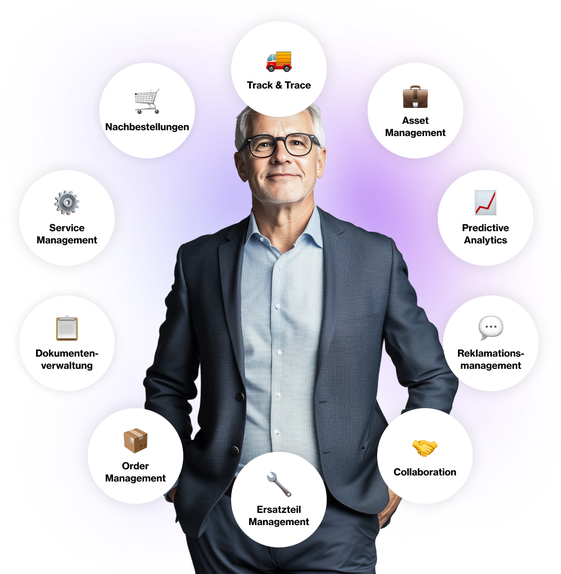
Die Kundenbeziehung im Anlagenbau wandelt sich von einer Serie einzelner, reaktiver Transaktionen – wie einer Reparatur oder einer Ersatzteilbestellung – hin zu einer dauerhaften Partnerschaft über den gesamten Lebenszyklus einer Maschine. Digitale Kundenportale sind das zentrale Werkzeug, um diese Partnerschaft zu gestalten. Sie bündeln Ersatzteilkataloge, die Beauftragung von Wartungseinsätzen, den Zugriff auf technische Dokumentationen und Dashboards mit IoT-Daten an einem zentralen Ort. Damit wird aus einem reinen Lieferanten ein strategischer Partner, der proaktiv zur Optimierung der Anlagenverfügbarkeit und -effizienz beiträgt.
Implications for “hidden champions”: risk and opportunity
For medium-sized “hidden champions,” who form the backbone of European mechanical and plant engineering, current developments mark a strategic turning point. Their traditional strengths—technological excellence and in-depth process knowledge—remain indispensable, but are no longer sufficient on their own to survive in the digital age. Whether they actively shape change or passively wait it out will determine their competitiveness.
The risk is obvious: those who do not offer digital self-service experiences will lose customers faster than traditional loyalty patterns would suggest. Studies show that over half of B2B customers switch providers if the digital omnichannel experience is not convincing. At the same time, there is a threat of creeping margin erosion if companies continue to focus solely on new machine sales and ignore the highly profitable after-sales market – an area that generates up to 50% of profits across the industry. Equally serious is the threat of losing the direct customer interface: those who neglect digital touchpoints not only cede access to competitors or third-party providers, but also valuable usage and service data. Ultimately, there is a risk of jeopardizing one's own future viability if more agile players take over the role of strategic partner.
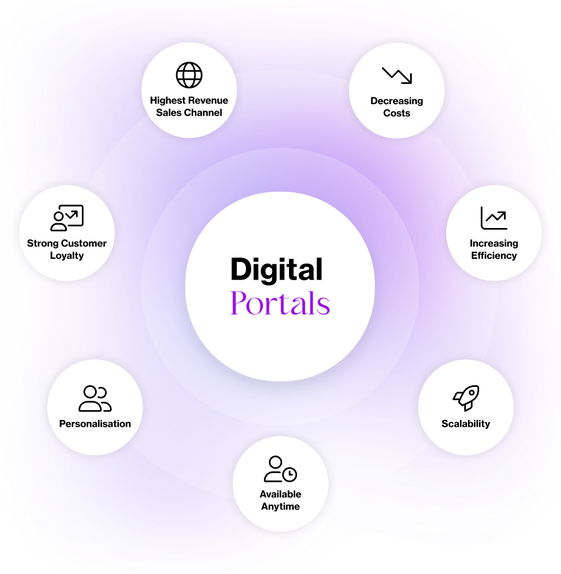
But the other side of the coin shows enormous potential: digital customer portals open up new revenue opportunities. According to McKinsey, e-commerce is already the highest-revenue sales channel for B2B companies that actively use it – supported by the industry's willingness to invest, with two-thirds of manufacturers planning to spend on self-service portals by 2024. At the same time, costs are falling and efficiency is increasing: automated orders and digital service requests significantly reduce the workload for office staff and technicians. A prominent example is KONE, where digital remote monitoring has increased productivity per technician by around 30%. Added to this is the effect on customer loyalty: a consistent, integrated portal that supports the entire lifecycle creates high switching costs and anchors customers in the company's own ecosystem in the long term. Finally, the analysis of service and spare parts data opens up new ways of differentiation – from predictive maintenance offerings to data-driven cross-selling and upselling to the development of new business models.
The comparison clearly shows that passivity is the greatest danger. Those who fail to act run the risk of squandering their strategic position as a “hidden champion.” Those who invest consistently, on the other hand, can turn risks into competitive advantages and redefine the digital value chain in after-sales.

Risks
Companies that do not offer digital self-service experiences lose customers faster than traditional loyalty patterns suggest. Studies show that over half of B2B customers switch providers if the digital omnichannel experience is not satisfactory. At the same time, companies that focus solely on new machine sales and ignore the highly profitable after-sales market risk creeping margin erosion. This area generates up to 50% of profits across the industry.
Similarly, neglecting digital touchpoints can result in losing direct customer access, which gives competitors or third-party providers access to valuable usage and service data. Ultimately, one's own future viability is at risk if more agile players take over the role of strategic partner.
Potentials
However, the other side of the coin shows enormous potential. Digital customer portals open up new sales opportunities. According to McKinsey, e-commerce is already the strongest sales channel for B2B companies that use it. The industry's willingness to invest is evident, as two-thirds of manufacturers plan to invest in self-service portals by 2024. At the same time, costs are falling and efficiency is rising. Automated orders and digital service requests significantly reduce office staff and technicians' workload.
A notable example is KONE, where digital remote monitoring has increased productivity per technician by approximately 30%. In addition, a consistent, integrated portal that supports the entire lifecycle creates high switching costs and anchors customers in the company's ecosystem long term, fostering customer loyalty. Finally, analyzing service and spare parts data opens new avenues for differentiation, including predictive maintenance offerings, data-driven cross-selling and upselling, and developing new business models.
Implications for “hidden champions”: risk and opportunity
For medium-sized “hidden champions,” who form the backbone of European mechanical and plant engineering, current developments mark a strategic turning point. Their traditional strengths—technological excellence and in-depth process knowledge—remain indispensable, but are no longer sufficient on their own to survive in the digital age. Whether they actively shape change or passively wait it out will determine their competitiveness.
The risk is obvious: those who do not offer digital self-service experiences will lose customers faster than traditional loyalty patterns would suggest. Studies show that over half of B2B customers switch providers if the digital omnichannel experience is not convincing. At the same time, there is a threat of creeping margin erosion if companies continue to focus solely on new machine sales and ignore the highly profitable after-sales market – an area that generates up to 50% of profits across the industry. Equally serious is the threat of losing the direct customer interface: those who neglect digital touchpoints not only cede access to competitors or third-party providers, but also valuable usage and service data. Ultimately, there is a risk of jeopardizing one's own future viability if more agile players take over the role of strategic partner.
But the other side of the coin shows enormous potential: digital customer portals open up new revenue opportunities. According to McKinsey, e-commerce is already the highest-revenue sales channel for B2B companies that actively use it – supported by the industry's willingness to invest, with two-thirds of manufacturers planning to spend on self-service portals by 2024. At the same time, costs are falling and efficiency is increasing: automated orders and digital service requests significantly reduce the workload for office staff and technicians. A prominent example is KONE, where digital remote monitoring has increased productivity per technician by around 30%. Added to this is the effect on customer loyalty: a consistent, integrated portal that supports the entire lifecycle creates high switching costs and anchors customers in the company's own ecosystem in the long term. Finally, the analysis of service and spare parts data opens up new ways of differentiation – from predictive maintenance offerings to data-driven cross-selling and upselling to the development of new business models.
The comparison clearly shows that passivity is the greatest danger. Those who fail to act run the risk of squandering their strategic position as a “hidden champion.” Those who invest consistently, on the other hand, can turn risks into competitive advantages and redefine the digital value chain in after-sales.
Strategic roadmap: Five steps for an excellent self-service experience
Building a digital after-sales offering is not purely an IT project, but rather a strategic business task that requires a clear vision and a holistic approach. The following steps form a tried-and-tested roadmap for creating a self-service experience that not only increases efficiency, but above all exceeds customer expectations.
01
Establishing a Central Self-Service Platform
The platform should be far more than a spare parts shop; rather, it should be an integrated "one-stop-shop" for all service interactions—from interactive spare parts catalogs and service ticketing systems to technical documentation and IoT dashboards.
02
Rethinking the Customer Journey from a Lifecycle Perspective
Instead of individual transactions, the entire lifecycle of the machine moves into focus. This shift towards "servitization" requires proactive action—for instance, through automated maintenance alerts based on sensor data or digital twins for simulating optimization potential.
03
Consistently Adopting B2C Customer Experience (CX) Standards
User-friendliness is crucial for a portal's acceptance and success. Intuitive search functions, transparent price and availability displays, and seamless order tracking are now minimum standards.
04
Viewing Data as a Strategic Asset
The information generated on platforms opens up new business opportunities—from predictive maintenance and cross- and upselling to the development of personalized service packages.
05
Aligning the Organization with Customer Experience (CX)
This includes a cultural shift: Service teams must not only be technically excellent but also customer-oriented. Key Performance Indicators (KPIs) should therefore measure not just efficiency, but also satisfaction and digital interaction rates.
After-sales is the new area of differentiation
In mechanical and plant engineering, the center of gravity of value creation has shifted: after-sales and spare parts management are the new, decisive areas of differentiation in global competition. Companies that manage to combine their technological excellence with a seamless, data-driven, and B2C-inspired self-service experience will not only increase their profitability but, above all, secure the long-term loyalty of their customers. Digital transformation in service is the key to remaining an indispensable partner throughout the entire life cycle of a plant.
The central question is therefore: How can Hidden champions make the leap from reactive service to a self-service experience that exceeds their customers' expectations? This is exactly what we are working on together with our customers.
Let´s talk about After-Sales Service